Comprehensive Roof Maintenance: Your Annual Checklist
Homes and commercial buildings in the Blue Mountains face a demanding mix of conditions: intense summer UV, bushfire season embers, heavy autumn leaf fall from native eucalypts, sudden storms, winter frost, and high humidity in the upper mountains. Together these conditions wear down roofing, gutters, brickwork, and paint far faster than in many other parts of New South Wales. A structured, year-round approach to comprehensive roof maintenance is the most reliable way to protect your property, avoid emergency repairs, and extend the life of your roof by years.

This guide sets out a practical annual checklist, explains what to look for, and helps you decide when a job is suitable for a DIY check and when it calls for certified roof repair or professional help. Always prioritise safety: if you are not comfortable working at height, arrange a professional inspection instead.
Why Annual Roof Maintenance Matters in the Blue Mountains
Most roof failures do not happen suddenly. They begin as small problems such as a lifted shingle, a clogged downpipe, a crumbling mortar joint, or a poorly ventilated attic, and grow quietly over several seasons. Regular inspection allows you to catch these issues while they are still inexpensive to fix.
The region's specific risks make this especially important:
- Bushfire exposure: Leaf litter in gutters and valleys is a known ember-attack hazard. Keeping roofs and gutters clear is a core part of bushfire preparation in 2026 and beyond.
- Freeze and thaw cycles: Moisture that enters small cracks in tiles, mortar, and flashing expands when it freezes, widening gaps over time.
- Heavy rain and storms: Intense downpours test drainage systems, flashing, and roof penetrations.
- Tree debris: Overhanging branches drop leaves, bark, and twigs that block gutters and trap moisture against roofing materials.
- Temperature swings: Hot days followed by cold nights cause materials to expand and contract, stressing joints and fasteners.
Spring Checklist: Assess Winter and Storm Damage
Spring is the ideal time for a full inspection after the cold, wet months. Begin from the ground with binoculars, then move to the attic and the interior ceilings before deciding whether a roof-level inspection is needed.
Inspect the Roof Surface
Look for cracked, curling, missing, or displaced roofing materials. On asphalt shingle roofs, check for granule loss, which shows up as bare patches or granules collecting in gutters. Widespread curling or bald areas often signal that asphalt shingle replacement is approaching. On timber roofs, look for splitting, cupping, moss growth, and rot. Weathered or split timber may need cedar shake replacement, either in sections or across an entire slope.
For tiled and metal roofs, check for slipped tiles, rusted fixings, lifted ridge caps, and damaged sealant. Small repairs completed now prevent water entry during later storms. When damage is extensive or the structure itself is affected, advanced roof repair methods or comprehensive roof repair by qualified tradespeople may be required.
Check Flashing and Penetrations
Flashing around chimneys, skylights, vents, and wall junctions is one of the most common sources of leaks. Look for lifted edges, rust, cracked sealant, or gaps. Replace deteriorated sealant promptly, and consider comprehensive sealing solutions if multiple penetrations show signs of failure.
Look for Interior Warning Signs
- Brown or yellow stains on ceilings and upper walls
- Peeling paint or bubbling plaster
- Musty odours in the attic or upper rooms
- Daylight visible through the roof boards from inside the attic
- Damp or compressed insulation
Summer Checklist: Ventilation and Heat Management
Summer heat reveals how well your roof space is performing. An attic can reach extreme temperatures on hot days, which raises cooling costs, accelerates roofing material ageing, and can cause condensation problems when temperatures drop overnight.
Evaluate Attic Ventilation
Effective airflow requires balanced intake and exhaust. Check that eave vents are not blocked by insulation or debris, and that ridge vents, gable vents, or powered vents are operating correctly. If your roof space feels stifling or you notice moisture on the underside of the roof sheathing, it may be time for attic ventilation repair or a full attic ventilation installation.

Options include advanced ventilation techniques such as combining continuous ridge venting with soffit intake, installing whirlybirds or solar-powered extractors, and using customized roof ventilation designed around your roof pitch, orientation, and building layout. A comprehensive roof venting plan considers the whole system rather than adding a single vent in isolation.
Reduce Attic Heat
For attic heat reduction and attic cooling methods, consider the following approaches:
- Upgrade ceiling insulation to the recommended R-value for your climate zone, keeping it clear of vents.
- Install reflective foil sarking or insulation blankets beneath the roof covering.
- Seal gaps around ceiling penetrations such as downlights and manholes to stop warm air migrating.
- Balance intake and exhaust ventilation so air moves steadily through the space.
- Consider lighter-coloured roofing or reflective coatings when re-roofing or repainting.
Autumn Checklist: Gutters, Drainage, and Leaf Management
Autumn is the most critical time for gutter care in the Blue Mountains. Falling leaves can fill gutters within weeks, and blocked gutters cause overflow, fascia rot, and water damage to walls and foundations.
Clean and Inspect Gutters
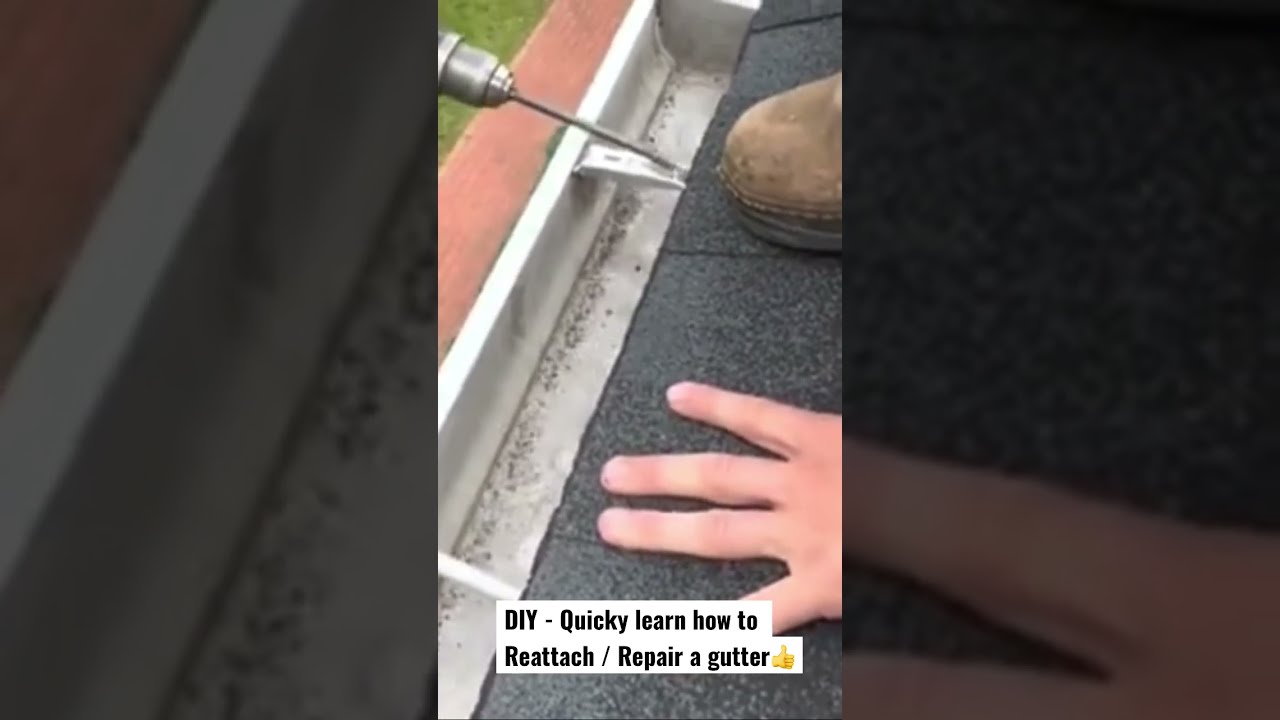
Remove debris from gutters, valleys, and downpipes, and flush them with water to confirm that flow is unobstructed. Check for sagging sections, loose brackets, open joints, rust, and pooling water. Gutters should fall gently toward the downpipes, and any standing water indicates a pitch problem.
Material-Specific Care
Different gutter materials have different needs:
- Aluminium: Resistant to rust, but prone to dents, loose joints, and seam failure. Minor aluminum gutter repair often involves resealing joints or replacing damaged sections.
- Copper: Durable and long lasting, though joints and solder points need attention. Regular copper gutter maintenance includes cleaning debris, checking seams, and avoiding contact with incompatible metals that cause corrosion.
- Steel: Check for rust at joins, screw holes, and low points where water collects.
Prompt damaged gutter repair prevents water running behind fascia boards and into eaves. For properties with persistent overflow, recurring blockages, or heavy tree cover, advanced gutter solutions such as leaf guards, larger downpipes, and upgraded profiles can significantly reduce maintenance. A broader comprehensive gutter services and comprehensive drainage solutions approach also addresses stormwater pits, downpipe connections, and ground drainage so that water is carried safely away from the building.
Winter Checklist: Protect Against Moisture and Cold
Winter is mainly a monitoring season. Check your property after heavy rain or storms, and look for signs of leaks or drainage problems.
- Check ceilings after rain for new stains or drips.
- Look for overflowing gutters during downpours, which shows where blockages or pitch problems exist.
- Inspect for moss and lichen growth, especially on shaded south-facing slopes.
- Check for ice or frost damage on exposed timber, mortar, and sealants.
- Make temporary repairs only if safe, and book permanent repairs for the first dry window.
Brickwork, Walls, and Chimneys
The roof is only part of the building envelope. Brick chimneys, parapets, and walls interact directly with roofing and drainage, and deteriorating masonry can allow water into the roof structure and interior.
Signs of Brick and Mortar Problems
- Crumbling, recessed, or cracked mortar joints
- White powdery deposits (efflorescence), which indicate moisture movement
- Spalling or flaking brick faces
- Stepped or diagonal cracks that suggest movement
- Leaning chimneys or damaged chimney crowns and flashings
Minor mortar loss can be addressed through brick repointing services, also described as brick joint repair, brick mortar restoration, or brick mortar replacement. The new mortar must be compatible with the existing brick in hardness and composition, since overly hard mortar can damage softer historic bricks. This is a particular concern for older Blue Mountains heritage homes.
Larger Masonry Repairs
Where damage is more extensive, brick deterioration repair, brick facade repair, or brick structural repair may be required. Cracks that run through bricks, bulging walls, or recurring movement can affect brick structural integrity, and a qualified assessment should be arranged. In serious cases, brick wall reconstruction is the safest solution. Long, continuous brick walls also need brick expansion joint repair to allow for thermal movement without cracking.
Protecting Brick Long Term
Preventive work includes brick wall maintenance such as cleaning, checking drainage, and removing vegetation that traps moisture. Breathable sealers support brick wall weatherproofing and brick erosion control, while good gutter and downpipe performance prevents the water streaking and saturation that accelerate decay. Together, these measures contribute to brick durability enhancement. Brick also provides some brick thermal insulation benefit through thermal mass, but this only performs well when walls are dry and in sound condition. A comprehensive wall repair plan treats the causes of damage, not just the visible symptoms.
Painting and Sealing as Roof Protection
Paint and sealants form the first line of defence for roofing, fascias, eaves, and exterior walls. Cracked or peeling coatings allow moisture to reach timber and metal, so repainting at the right time prevents costly rot and corrosion.
Look https://claytonysrh186.scriblorax.com/posts/roof-warranties-explained-workmanship-vs-material-cover for chalking, blistering, flaking, and fading. Preparation determines how long a finish lasts, so high-quality work involves washing, scraping, sanding, priming, rust treatment, and filling before any topcoat is applied. Advanced painting techniques such as airless spraying, elastomeric coatings, and specialised primers for metal or masonry can improve coverage and durability. A comprehensive painting sealing or complete painting sealing programme typically combines repainting with resealing gaps around windows, flashing, and joints to create a continuous waterproof barrier.
Commercial Property Considerations
Commercial buildings in the Blue Mountains, including shops, accommodation venues, and industrial premises, often have large flat or low-pitch roofs, box gutters, and complex drainage that need more frequent inspection. Ponding water, membrane blistering, failed seams, and blocked outlets are common issues.
Typical needs include commercial roofing inspections twice a year, planned commercial roof repair for membranes and flashings, and tailored commercial roof solutions such as coatings or partial replacement to extend service life. Commercial gutter services are essential for large roof catchments, where overflow can damage stock, equipment, and structure. Commercial painting sealing protects exterior cladding, metal work, and masonry. Businesses should keep maintenance logs, as insurers and compliance requirements increasingly expect evidence of regular upkeep.
When to Repair and When to Replace
Maintenance and repair are cost-effective up to a point. Consider replacement when:
- The roof is near or past its expected lifespan (roughly 20 to 30 years for asphalt shingles, longer for tiles, metal, and quality timber).
- Leaks recur in multiple areas despite repairs.
- Large portions of material are curling, cracked, corroded, or rotted.
- The roof deck or framing is sagging or water damaged.
- Repair costs begin to approach a significant percentage of replacement cost.
A comprehensive roof replacement or complete roofing replacement usually involves removing old materials, inspecting and repairing the deck, installing underlay, flashing, and ventilation, and fitting the new roof covering. A complete roof installation or comprehensive roof reroofing project is also an opportunity to upgrade insulation, ventilation, and drainage. Using certified roof reroofing professionals ensures the work meets Australian Standards and building code requirements, including bushfire-prone area construction requirements where they apply. Reputable providers of comprehensive roofing services will supply a written scope, warranty details, and proof of licensing and insurance.
Safety and Professional Inspections
Roof work is one of the leading causes of serious falls at home. Never climb onto a wet, mossy, or steep roof, and avoid working alone. Use proper fall protection, stable ladders, and avoid contact with power lines. For anything beyond a simple ground-level check, a licensed professional is the safest option. Roofs built before the 1990s may also contain asbestos-cement sheeting, which must never be drilled, cut, or pressure-washed, and requires licensed handling under NSW regulations.
An annual professional inspection, ideally in spring or early autumn, provides a documented condition report and prioritised repair list. Many homeowners also arrange an extra check after severe storms, hail, or bushfire events.
Your Quick Annual Maintenance Summary
- Spring: Inspect roof surface, flashing, and interior ceilings for winter damage.
- Summer: Check attic ventilation and insulation, and address heat build-up.
- Autumn: Clean gutters, downpipes, and valleys, and trim overhanging branches.
- Winter: Monitor for leaks, moss, and drainage problems after heavy rain.
- Year-round: Maintain brickwork, paint, and sealants, and book a professional inspection.
Final Thoughts
Consistent, seasonal attention is the foundation of comprehensive roof maintenance in the Blue Mountains. By checking your roof surface, gutters, ventilation, brickwork, and protective coatings each year, you can detect problems early, protect your property against the region's demanding climate, and avoid unnecessary replacement costs. Whether you need minor repairs, ventilation upgrades, masonry restoration, or a full re-roof, working with qualified local professionals ensures the job is done safely, to code, and built to last well into 2027 and beyond.
Top Roofer Blue Mountains
Old Bathurst Rd, Blaxland NSW 2774, Australia
(02) 4703 9006